More evidence of anticipation of the ‘green new deal’:
“…Labor experts predict renewable energy and energy efficiency industries could create as many as 37 million jobs — and students at technical colleges like this one are counting on it.”

News Roundup
More evidence of anticipation of the ‘green new deal’:
“…Labor experts predict renewable energy and energy efficiency industries could create as many as 37 million jobs — and students at technical colleges like this one are counting on it.”
“The economic stimulus plan approved by the House allocates over $100 billion for green projects. While there is sure to be political back and forth in the coming days, one thing is certain, no matter what the ultimate outcome: We’re going to be hearing a lot more about “green collar” jobs.”
via What the “green collar” economy means for you | Yahoo! Green.
Jan 30, 2009. Belem, Brazil, Forum Social Mundial

Tom Goldtooth, Navaho/Dakota: “Climate change is a very serious issue, especially when we look at how certain communities across the world are disproportionally effected…the most impacted are the poor people, the disenfranchised.”
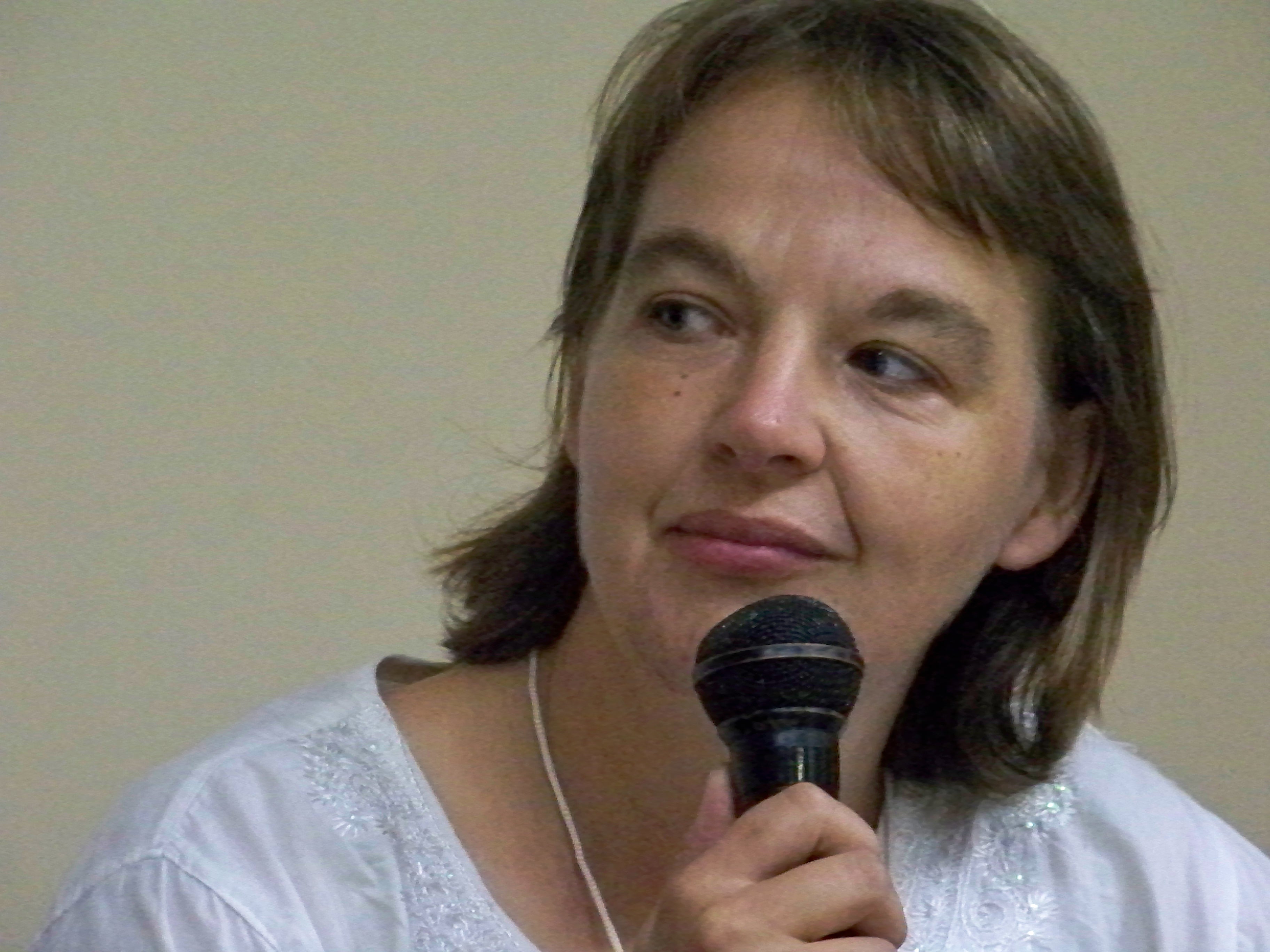
Jutta of FERN: “Some of the dirtiest polluters in the Global South have found a way to use these carbon markets”
“This carbon market has already created a whole new industry… and you have brokers … who have speculative capital to invest.”

Michael Karikpo, Environmental Rights Action/Friends of the Earth, Nigeria:
“The best way to address the climate change issue … is to stop the extraction of carbon from the ground.”
“We see this [oil extraction in Nigeria] as a continuation of colonization, a continuation of inequalities that exist around the world.”
“You need to come to Niger Delta. You need to see the level of destruction.”
“We built solidarity…It was solidarity the set off the Niger Delta struggle that you hear about today.”

Ben Powless, Indigenous Environmental Network
“I think the solution revolves around several simple concepts that we can all agree on: respect, democracy, justice.”

The morning walk of the participants to the days events spread out across the University jungle-like landscape along the banks of the Amazon River in Belem, Brazil.
Even more tents were to be seen crowded along the sides of the road to help accommodate the many participants which have filled local hotels to capacity.
The intense dialogue continued Jan 29, 2009 at the WSF in Belem, these images are from Climate Panels. The testimony here reveals that Carbon Trading and the Clean Development Mechanism are having severe impacts on Southern and indigenous peoples, and ultimately won’t achieve lower carbon emissions.

El Salvadorian Panelist Caroline Amaika of Jubilee South:
“They [Global North] have not lowered their emissions…”
“Climate change is like a boat adrift. We are traveling 3rd class, but it is even affecting first class.”

Moira Millan, a speaker from Patagonia, Argentina of the Mapuche people:
“We have become guardians of the earth, believing that we have to follow the spirit left by our ancestors, resisting the extractive model.”
“The world crisis is a great opportunity against this colonization”

“Floods are the direct outcome of the destruction in Amazonia”.
“Nature is already giving us a very clear answer.”

“We have to change the production consumption model”.

Hugo, with Friends of the Earth International:
“Climate Change could be considered as a symptom that our planet feels as a consequence of the 200 years of destruction that was brought by capitalist hegemonization of the planet.
…There is a direct correlation between capitalism and historical warming…
…We can call this the climate debt, the CO2 debt.”
“Social change must take place today if we want to avoid a planetary collapse.”

Christophe Aguitou of Franch urges that we “…do what we can do to achieve a critical mass at Copenhagen.”

South African Michelle Pressend, of biowatch.org took the mic:
“We have this whole now form of green consumerism emerging”
“What can we do to bring in environmental groups that are entrenched in a very technical debate?”

“People have the right to feed themselves and survive and to protect their agriculture as well.”

Teresa Turner of the International Oil Working Group (See oilwatch.org) took the mic: “If we could recognize these women led initiatives to keep fossil fuels underground, in Nigeria, Canada, Ecuador, Peru, and other oil and coal producing areas, then this could be revolutionary tipping point to a post capitalist, post fossil fuel reality”.
Jan 28, 2009 Belem, Brazil
Breaking down into smaller groupings at the real work begins at the World Social Forum. Powerful testimony from Amazonian peoples makes it personal.

WSF: Ivaneide Bandeira Cardozo of Kaninde.org.br speaking on deforestation, dams, and environmental destruction in the Amazon region.

“We don’t want development with death. We don’t want the death of our rivers”
Ivaneide featured in earlier online articles at survival internation and Panda.org

Inside this meeting
More images of the day:


Arildo Surui (center)

